
Powder Coating / Mission Critical Insights
What Information Is Needed for a Powder Coating Quote?
What Information Is Needed for an Industrial Powder Coating Quote? An accurate powder coating quote depends on more than the surface area of a component. Its dimensions, weight, condition, geometry, finish requirements and production…
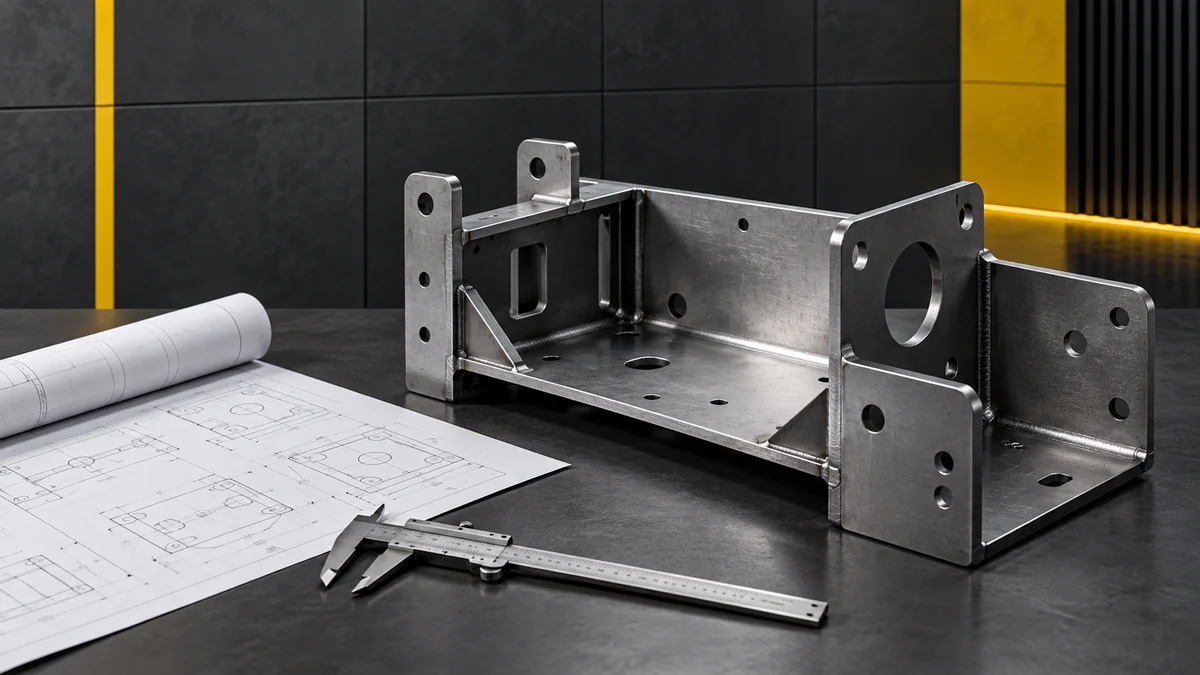
What Information Is Needed for an Industrial Powder Coating Quote?
An accurate powder coating quote depends on more than the surface area of a component. Its dimensions, weight, condition, geometry, finish requirements and production schedule can all affect how the work must be prepared, handled, coated and cured.
Providing complete information at the beginning reduces assumptions and helps the coating provider recommend a practical production approach.
1. Component Dimensions and Weight
Provide the overall length, width, height and approximate weight of every component. If several parts have different dimensions, identify the quantity of each size.
These measurements help determine:
- Equipment compatibility
- Rack or hanging requirements
- Material handling
- Oven loading
- Transportation needs
- Production sequencing
Photographs are helpful, but they should not replace measurements or drawings. Images rarely provide enough information to evaluate scale accurately.
2. Quantity and Production Frequency
State the number of components included in the initial order and whether the work is a one-time project or a recurring production requirement.
A request for one fabricated assembly may require a different production plan from a repeated order containing hundreds of smaller components. If future quantities are expected to change, include estimated volume ranges.
This allows the provider to consider setup, racking, material ordering and production efficiency when preparing the quote.
3. Substrate Material
Identify the material being coated, such as:
- Carbon steel
- Galvanized steel
- Aluminum
- Stainless steel
- Cast material
- Previously coated metal
Different substrates may require different preparation methods and coating products. If the material is uncertain, provide drawings, specifications or fabrication records for review.
4. Current Surface Condition
Describe the component’s condition when it will arrive at the coating facility.
Important details include:
- Rust or oxidation
- Mill scale
- Oil, grease or fabrication residue
- Existing paint or powder coating
- Weld spatter
- Sharp edges or surface defects
- Galvanized or previously treated surfaces
Surface preparation is one of the major variables affecting coating performance. AMPP standards address different levels of cleaning and surface preparation because the appropriate condition depends on the coating system and project requirements.
If possible, include clear photographs showing the overall component and close views of its surface.
5. Color, Texture and Gloss
Provide the powder manufacturer and product code when the coating has already been specified. Otherwise, identify the desired:
- RAL or other color reference
- Smooth or textured finish
- Matte, semigloss or gloss appearance
- Metallic or specialty effect
- Interior or exterior classification
Digital colors can vary between screens. A physical sample or approved manufacturer swatch should be used when an exact appearance is required.
Crosslink’s online color-chart resources can help project teams begin reviewing available colors and finishes.
6. Service Environment
Explain where and how the finished component will be used. A coating provider needs to know whether the component will encounter:
- Indoor or outdoor exposure
- Sunlight and weather
- Moisture or humidity
- Chemicals
- Abrasion
- Elevated temperatures
- Coastal or corrosive conditions
- Frequent handling or cleaning
These details help distinguish an appearance requirement from a performance requirement. The selected powder, primer and preparation process should be appropriate for the intended environment.
7. Masking and Critical Areas
Mark any surface that must remain uncoated. Common examples include:
- Threaded holes
- Grounding points
- Electrical contact areas
- Bearing surfaces
- Mating surfaces
- Identification plates
- Dimensional tolerances
Drawings should clearly identify critical areas. If masking requirements are not communicated before production, the resulting finish may interfere with assembly or function.
8. Project Specification and Inspection Requirements
Include all applicable specifications, approved-product lists and inspection criteria with the request.
The documentation may specify:
- Surface-preparation standard
- Approved powder system
- Primer requirement
- Target coating thickness
- Cure requirements
- Adhesion or appearance criteria
- Documentation or traceability
- Customer hold points
A manufacturer’s product data sheet provides application information, but it does not replace a complete project specification. Requirements should be resolved before production begins.
9. Required Completion Date
State when the components will be available and when the finished work is required. Also mention whether the project will arrive as one shipment or in scheduled releases.
Production expectations are easier to evaluate when the provider receives the schedule before issuing the quote. Urgent deadlines, staged deliveries and recurring orders may require different planning.
A Practical Powder Coating Quote Checklist
Before submitting a request, gather:
- Contact and company information
- Part drawings or clear photographs
- Dimensions and approximate weight
- Material type
- Quantity
- Existing surface condition
- Color and product code
- Texture and gloss
- Exposure environment
- Masking requirements
- Applicable specification
- Required completion date
- Pickup or delivery requirements
Request Powder Coating Services in DFW
Crosslink provides industrial powder coating, sandblasting and shot-blasting services through facilities in Fort Worth and Seagoville, Texas.
Submit drawings, photographs, dimensions, quantities, coating requirements and schedule information through the Crosslink quote page. The team can review part fit, preparation requirements and the appropriate production approach for the project.