
Powder Coating / Mission Critical Insights
Choosing an Industrial Powder Coating Company in DFW
How to Choose an Industrial Powder Coating Company in DFW Choosing an industrial powder coating company involves more than comparing colors and prices. The coating provider must be able to accommodate the component, prepare…
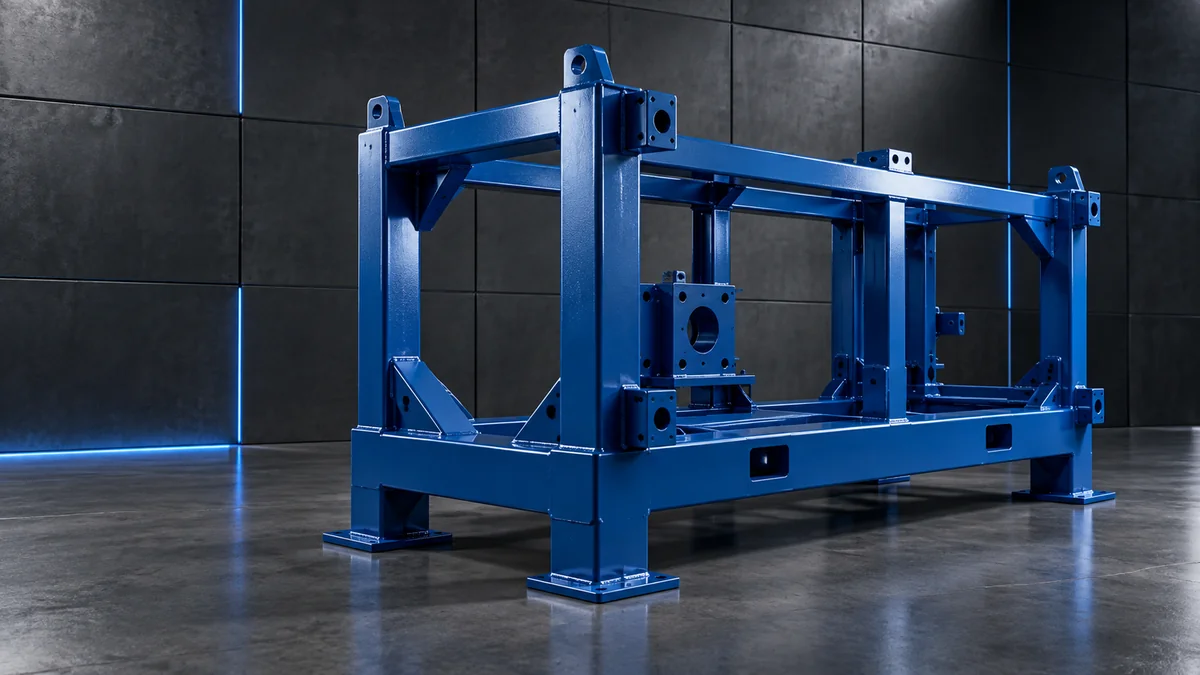
How to Choose an Industrial Powder Coating Company in DFW
Choosing an industrial powder coating company involves more than comparing colors and prices. The coating provider must be able to accommodate the component, prepare its surface correctly, follow the project requirements and complete the work within the production schedule.
For manufacturers, fabricators, contractors and infrastructure teams in Dallas–Fort Worth, the following factors can help determine whether a powder coating provider is suited to the project.
Confirm That the Equipment Fits the Component
Begin with the physical requirements of the job. A coating provider needs sufficient space to receive, prepare, coat, cure and handle the components safely.
Before requesting a quote, document:
- Component length, width and height
- Approximate weight
- Material and substrate condition
- Quantity and production frequency
- Lifting and handling requirements
- Areas that require masking
- Packaging and transportation requirements
The outside dimensions of an oven or spray booth do not automatically determine whether a component will fit. Racks, hanging points, part geometry, airflow, thermal mass and handling clearance can affect the usable space.
Crosslink supports industrial powder coating through operations in Fort Worth and Seagoville. Its facilities provide space for parts of every size, fabricated assemblies and production work. Project drawings and dimensions should still be reviewed before scheduling.
Evaluate the Surface-Preparation Process
A durable finish begins with the condition of the substrate. Rust, oil, mill scale, old coatings, fabrication residue and other contaminants can interfere with coating adhesion and appearance.
Depending on the material and specification, preparation may involve:
- Cleaning and washing
- Sandblasting
- Shot blasting
- Removal of existing coatings
- Creating a suitable surface profile
- Masking threads, grounding points or mating surfaces
The required process should match the substrate, coating system and service environment. A part intended for indoor use may require a different preparation and coating system from structural steel exposed outdoors.
The Powder Coating Institute explains that adhesion depends heavily on substrate cleanliness, suitable pretreatment and proper curing. Surface preparation should therefore be discussed before the color is selected.
Share the Complete Coating Specification
“Black powder coat” is not a complete industrial coating specification. Two powders with a similar appearance may perform differently when exposed to sunlight, moisture, heat, chemicals or abrasion.
A useful specification may identify:
- Powder manufacturer and product code
- RAL or other color reference
- Gloss and texture
- Interior or exterior exposure
- Primer or multi-coat requirements
- Target coating thickness
- Masking requirements
- Inspection or testing criteria
- Applicable customer or industry standard
If the project does not yet have a complete specification, provide information about the component’s operating environment. The coating provider can then review available options with the project team and powder manufacturer.
Ask How the Cure Process Is Controlled
Powder coating must reach the cure conditions established for the selected product. Oven air temperature alone does not confirm that the metal itself has reached the required temperature.
Heavy steel sections, thin panels and complex assemblies heat at different rates. The required cycle can depend on the powder formulation, metal thickness, part geometry and actual substrate temperature.
When reviewing a provider, ask how the team accounts for the component’s thermal mass and the powder manufacturer’s cure requirements.
Review Relevant Project Experience
Finished-project photographs can provide useful evidence of a company’s capabilities. Look for work involving materials, dimensions and finish requirements similar to your project.
Relevant examples may include:
- Structural steel
- Electrical enclosures
- Equipment frames
- Fabricated assemblies
- Generator and UPS components
- Data-center infrastructure
- Industrial machinery
- Repeated OEM components
Crosslink’s project archive documents completed work with the finish used on each featured component. This gives customers a more useful reference than a gallery containing unidentified photographs.
Consider Scheduling and Transportation
A coating project does not end when the component leaves the oven. Delivery schedules, packaging and communication can affect the overall production plan.
Before approving a job, confirm:
- Current production expectations
- Required completion date
- Pickup and delivery responsibilities
- Packaging or protection requirements
- Whether the work will arrive in one shipment or multiple releases
- Who will approve changes to the specification
Providing this information early allows the coating provider to evaluate the complete project rather than only the application step.
Industrial Powder Coating in Fort Worth and Dallas–Fort Worth
Crosslink provides industrial powder coating and surface-preparation services through its Fort Worth and Seagoville operations. The company works with manufacturers, fabricators, contractors and project teams throughout the Dallas–Fort Worth area.
To request an accurate review, submit the component dimensions, quantities, photographs or drawings, substrate condition, desired finish and required schedule through the Crosslink quote page.